
The Allure of Games of Chance
The appeal of casinos lies in their ability to provide an escape from reality, allowing players to immerse themselves in a world filled with excitement and anticipation. The architectural design of casinos, with their vibrant colors and engaging sounds, is no accident; it is precisely engineered to heighten the senses and create an environment that sparks a rush of adrenaline. For those looking to enhance their gaming options, the variety of betting sites available can offer additional thrills, whether it’s the thrill of spinning the reels on a slot machine or the suspense of waiting for a card to turn in poker, these experiences are deliberately crafted to captivate players and keep them engaged.
This allure is further enhanced by the unpredictability associated with games of chance. The thrill of not knowing the outcome creates a heightened sense of excitement that can be addictive. Players often experience a rush of dopamine, the brain’s reward chemical, during winning moments, reinforcing their desire to play. By understanding this psychological response, casinos can craft experiences that make players feel like they are part of something larger than themselves, enhancing their emotional connection to the games.
Moreover, the social aspect of playing in casinos cannot be overlooked. The interactions with other players and the dealers create a communal atmosphere that can make winning even more exhilarating. For many, the shared experience of a big win or a collective groan during a loss can forge connections that elevate the overall gambling experience. This sense of camaraderie plays a crucial role in attracting players and keeping them returning for more, as it satisfies both the need for social interaction and the thrill of competition.
The Role of Cognitive Biases
Cognitive biases significantly influence the decision-making process of casino players. One of the most common biases is the “gambler’s fallacy,” where players believe that past outcomes affect future results. For instance, someone might think that because a slot machine has not paid out in a while, it is ‘due’ for a win. This misconception can lead to excessive play, as individuals chase what they perceive as favorable odds based on previous experiences rather than understanding that most games are independent of past results. This cognitive distortion can create a cycle of chasing losses, leading to further financial strain.
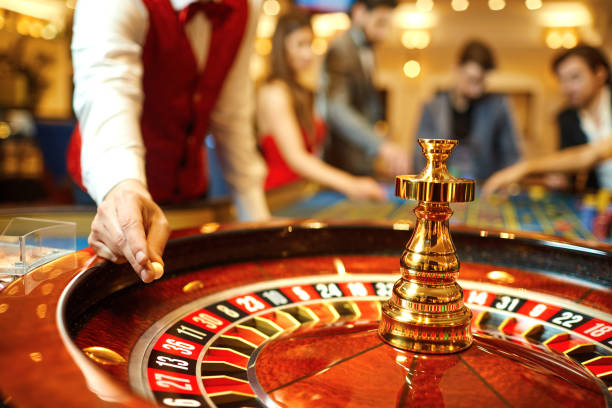
Another prevalent cognitive bias is the illusion of control, where players believe they can influence the outcome of a game through their decisions or strategies, even in games of pure chance like roulette. This illusion can foster a false sense of confidence, prompting players to gamble more and take greater risks than they otherwise would. Such beliefs are often exploited by casinos, which design games and promotional offers to give players a sense of agency, further fueling their gambling behaviors. The understanding of these biases can significantly alter a player’s approach to gambling.

These cognitive biases can create a cycle of reinforcement that keeps players returning to the casino. While the odds are generally stacked against them, players often convince themselves that they are close to winning, leading to further investment of time and money. This understanding of cognitive biases is essential for both players, who must recognize their impact, and casinos, which capitalize on these psychological tendencies to enhance customer engagement. Addressing these biases can also help in the design of responsible gaming practices that aim to mitigate their effects.
Emotional Triggers and Responsible Gambling
Emotional triggers play a significant role in a player’s gambling experience, often dictating not just their enjoyment of games but also their susceptibility to risky behaviors. Many players may turn to gambling as a means to escape stress, anxiety, or depression. The temporary relief provided by the thrill of the game can momentarily mask deeper emotional issues, leading to problematic gambling behaviors. This emotional coping mechanism highlights the necessity for awareness regarding responsible gambling practices. Understanding the emotional landscape can empower players to recognize when they are gambling for the wrong reasons.
To counteract the negative effects, many casinos are beginning to implement measures that promote responsible gambling. Awareness campaigns and resources informing players about recognizing when gambling becomes problematic are becoming common. These initiatives often provide tools for self-assessment and encourage players to establish clear limits on their spending and playing time, fostering a healthier relationship with gambling and ensuring that it remains a source of entertainment rather than a source of distress. Such measures are essential for creating a sustainable gambling environment.
Moreover, the emotional rollercoaster experienced during gambling sessions—featuring highs from wins and lows from losses—can lead to addictive behaviors as players seek to recreate the thrill. By acknowledging the impact of emotions on gambling, players can better navigate their experiences, making informed decisions that prioritize their well-being above the allure of gaming. Understanding the psychological and emotional motivations behind gambling can help create a safer, more enjoyable casino environment for everyone. This awareness promotes a culture of mindfulness around gambling activities.
The Influence of Marketing Strategies
Casino marketing strategies are meticulously designed to tap into the psychology of players, attracting them with promotions and incentives that speak to their desires and motivations. One prevalent technique involves offering bonuses and rewards that make players feel valued and incentivized to continue playing. This practice creates a sense of loyalty, effectively binding players to the casino, even when the games may not necessarily be in their favor. The psychology behind this loyalty is rooted in the desire for acknowledgment and personal connection, where players feel recognized and appreciated.
Additionally, casinos often utilize scarcity and urgency in their marketing campaigns to trigger emotional responses. Limited-time offers or exclusive events can instigate a fear of missing out (FOMO), prompting players to act quickly rather than rationally assess their decisions. This psychological manipulation can drive impulsive behavior, leading players to engage in gambling sessions they may not have typically considered, purely due to the enticing nature of the marketing tactics employed. The interplay of urgency and reward can create a compelling draw for players.
The use of bright lights, engaging visuals, and captivating music also plays a critical role in drawing players in. These elements are not merely for aesthetics; they are designed to create a sensory experience that keeps players on the casino floor longer. By combining emotional and sensory marketing strategies, casinos can effectively create an environment that feels exciting and inviting, which further complicates the psychology of decision-making for players as they navigate their gambling experiences. The design choices made by casinos serve a central role in influencing player behavior.
Understanding Player Behavior for Better Experiences
The intricate psychology of casino players is not only fascinating but also essential for enhancing their overall gaming experience. By delving into the motivations and behaviors of players, casino operators can create environments that cater to their needs while promoting responsible gambling practices. Understanding the factors that drive players to the tables or machines helps casinos tailor their offerings, ensuring they provide engaging experiences that keep players coming back. This understanding can lead to innovative game designs that resonate with player preferences.
Moreover, insights into player behavior can inform the development of innovative gaming experiences that resonate with players on a deeper level. By integrating elements that enhance social interaction, foster community, and provide emotional fulfillment, casinos can create lasting relationships with their clientele. This focus on the player experience can also contribute to improved satisfaction rates, ensuring that players feel valued and appreciated throughout their time at the casino. The connection between player satisfaction and loyalty is a crucial area for casino operators to explore.
Ultimately, understanding the psychology of casino players is key to striking a balance between maximizing entertainment and ensuring player welfare. As the industry evolves, there is an increasing need for casinos to embrace responsible gaming initiatives and prioritize player well-being, providing a safe and enjoyable environment for all those who enter. By combining psychological insights with ethical considerations, casinos can create a vibrant gaming culture that respects players while maintaining their allure. This commitment to player welfare can enhance the industry’s reputation and foster a more sustainable future.