
The clatter of coins and the spin of reels have long been a familiar sound in pubs from Broken Hill to Bondi, but for a growing number of Australians, the real action is happening just across the Tasman. New Zealand’s online pokies market has quietly become a go‑to for local punters chasing better odds, fewer restrictions, and a gaming experience that feels less like a trip to the pokies lounge and more like a night out at the TAB. The numbers tell the story: traffic from Australian IP addresses to NZ‑focused gaming sites has climbed more than 30 per cent in the past two years, according to industry analytics from Similarweb.
That shift isn’t just about geography. While Australia’s Interactive Gambling Act keeps a tight lid on what operators can offer locally, New Zealand’s regulatory framework allows a broader range of games, including progressive jackpots and high‑volatility slots that are harder to find on domestic platforms. For the average punter in Parramatta or Perth, logging onto an NZ site feels like stepping into a casino with fewer bouncers and a bigger bar tab. One regular I spoke to, a tradie from Newcastle, told me he now keeps a separate e‑wallet just for his weekly spins on Kiwi sites because “the payouts are fairer and the bonus rounds actually hit.”
But the appeal runs deeper than just regulation arbitrage. The games themselves have evolved. Modern NZ pokies now incorporate features like cash‑out options and multi‑level bonus buys that were once the preserve of high‑roller tables. And with the recent surge in live dealer integration, the line between a virtual spin and a real‑world casino experience is blurring fast. For Aussies who grew up feeding two‑dollar coins into a Queen of the Nile machine at the local RSL, the new generation of Kiwi pokies offers something genuinely different.
The house edge and the sucker bet

Every punter knows the house always wins in the long run, but not all bets are created equal. A “sucker bet” is any wager with an especially poor house edge dressed up to look tempting. In the world of NZ pokies, these often come disguised as “guaranteed win” side games or “bonus buy” features that promise a jackpot but actually eat your bankroll faster than a Sydney taxi meter at peak hour.
The maths is brutal. Standard NZ pokies typically return between 92 and 96 per cent of stakes over time, meaning the house edge sits around 4 to 8 per cent. But those flashy add‑ons? Some carry a house edge north of 15 per cent. Georgia Walker, Head of Product at Ironbark Compliance Advisory, puts it bluntly: “When you see a bonus feature that costs ten times your normal spin to keyshop.hr activate, you’re almost always paying for the privilege of losing faster. The return‑to‑player on those features is often significantly lower than the base game.”
For Aussie players used to the relatively transparent payout tables on local machines, the Kiwi market can be a minefield. A bloke from Adelaide told me he lost $400 in twenty minutes on a “mega joker” style bonus round that he thought was a sure thing. He didn’t realise the feature had a separate, worse RTP until he checked the game’s help screen afterwards. The lesson? Read the fine print, or better yet, stick to games where the rules are clear and the edge is honest.
Cash out features and the art of the early exit
One of the most popular innovations in modern NZ pokies is the cash out feature. This lets bettors settle a wager early for a guaranteed but reduced return, locking in a profit or cutting a loss before the final spin. It sounds sensible, and for disciplined players it can be a useful tool. But the psychology is tricky.
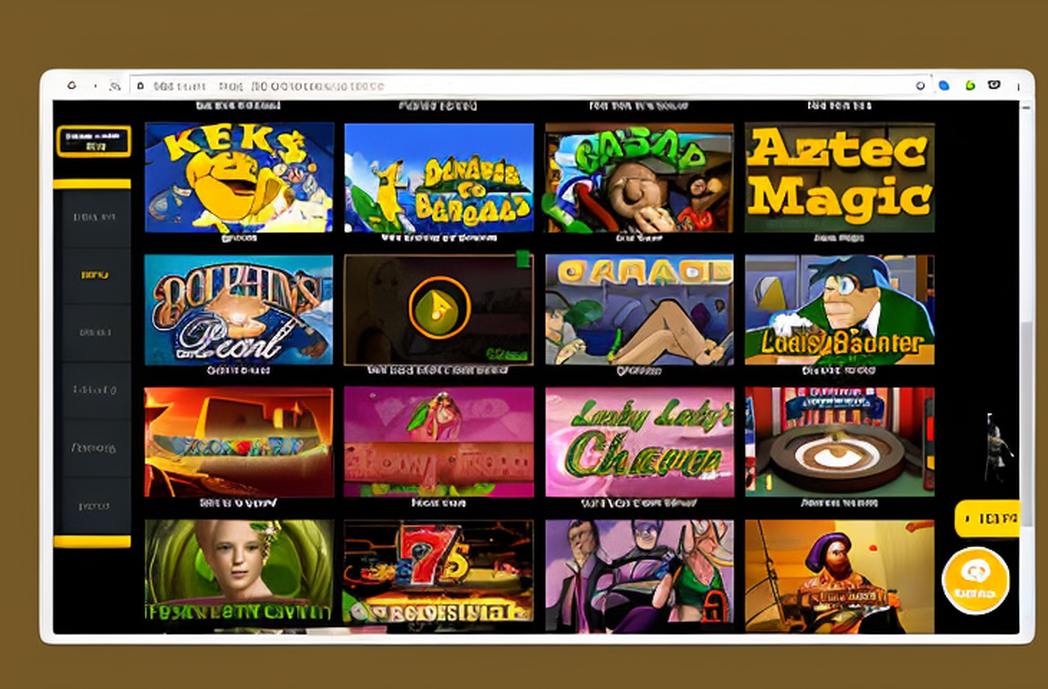
Imagine you’re playing a progressive jackpot slot and you hit a bonus round that offers a 50‑50 chance of either winning $500 or getting nothing. The game might offer you a cash‑out of $200 right now. Most punters take the bird in the hand. But over many sessions, that decision costs you money, because the expected value of the full spin is $250. The operator is banking on your fear of losing the whole lot.
Sienna Harris, Customer Experience Lead at Pacific Player Protection Institute, notes that cash‑out features are a double‑edged sword.“They give players a sense of control, which can reduce the emotional harm of a big loss. But they also encourage more frequent betting because the exit feels less painful. We see players cashing out small wins repeatedly, then losing the accumulated amount on the next spin.”
For Aussies used to the old‑school “spin and pray” approach, the cash‑out button is a new muscle to train. A mate of mine in Melbourne uses it religiously on his favourite NZ site, but he sets a rule: only cash out if the offer is at least 80 per cent of the potential max win. That discipline has kept his bankroll afloat through some rough sessions.
Tax, reporting, and the long arm of the ATO
Here’s where things get sticky for the cross‑Tasman punter. Large gambling wins may be reported to tax and financial‑intelligence authorities, both in New Zealand and Australia. While casual pokies play is generally tax‑free for recreational gamblers in Australia, the ATO takes a keen interest when wins exceed certain thresholds, especially if the money is transferred back into an Australian bank account.
The reporting rules vary by operator. Some NZ‑licensed sites automatically report transactions over $10,000 to the New Zealand Department of Internal Affairs. Others flag suspicious patterns, such as multiple deposits just under the reporting limit. And because Australia and New Zealand share financial intelligence through the Egmont Group, that data can find its way to the ATO’s desk.
A tax accountant I spoke to in Brisbane warned that a client of his recently received a letter from the ATO asking about $15,000 in deposits from a Kiwi gaming site. The client had assumed the money was tax‑free because he was playing overseas.“The ATO doesn’t care where the server is,” the accountant said.“If you’re an Australian resident and you’re gambling, they can ask questions. And if you’re not keeping records, you’re in trouble.”
The takeaway? Keep a spreadsheet. Track your deposits, withdrawals, and wins. And if you hit a big score, talk to a professional before you book that trip to Fiji.
How Aussie platforms stack up against the Kiwi competition
With all this Kiwi action, you might wonder what local operators are doing to compete. The answer is: quite a lot, but within tight legal constraints. Australian‑facing platforms like Joe Fortune have built a loyal following by offering games that are specifically tailored to local tastes, with themes like the Outback, the Gold Coast, and even a spin on the Melbourne Cup. They also emphasise customer service that understands the Australian vernacular, from “fair dinkum” bonuses to support teams that don’t sound like they’re reading from a script in Manila.
But the comparison isn’t straightforward. NZ sites often have a wider game library because they aren’t bound by the same content restrictions. A player in Auckland can access titles from dozens of international studios, while an Aussie on a local platform might only see a curated selection. On the other hand, Australian operators tend to have faster withdrawal times and more transparent terms, thanks to the pressure from local regulators and consumer watchdogs.
I asked a regular at a Sydney pub which he preferred.“Mate, I use both,” he said, sliding a beer coaster across the bar.“Joe Fortune for the quick spins and the Aussie customer service. And a Kiwi site for the big jackpots and the weird games you can’t get here.” That dual approach is becoming the norm. Many punters now maintain accounts on both sides of the ditch, using each platform for what it does best.
For those who want to explore the Kiwi side, a good starting point is the mega joker category, which offers classic fruit‑machine vibes with modern volatility. And if you’re curious about the broader regulatory landscape, a piece in The Chronicle recently detailed how New Zealand’s Department of Internal Affairs is tightening its own rules, partly in response to the influx of Australian players. The article noted that the Kiwi regulator is now requiring all offshore‑facing operators to carry a local licence by 2026, a move that could reshape the market.
The future of cross‑Tasman pokies
The relationship between Australian punters and New Zealand pokies isn’t going anywhere. As long as the IGA keeps local options limited, and as long as Kiwi sites continue to innovate with features like cash‑out, bonus buys, and live dealer spins, the traffic will keep flowing west to east. But the game is changing.
New Zealand’s regulatory tightening could eventually make it harder for Aussies to access those sites without a local login. Meanwhile, Australian operators are lobbying for a relaxation of the IGA’s rules, arguing that a regulated local market would keep more tax dollars at home and offer better consumer protection. It’s a political football that’s been kicked around Canberra for years, but with the rise of cross‑Tasman gambling, the pressure is mounting.
For now, the smart play is to stay informed. Know the house edge on every game you play. Use cash‑out features wisely. Keep your records straight for tax time. And if you’re going to chase the Kiwi jackpots, do it with your eyes open. The pokies aren’t going anywhere, but the rules of the game are always shifting.